


I’m happy that the fitness industry is finally aligned on the fact that recovery doesn’t slow progress; it protects it. Mobility, stretching, and recovery-focused services have finally become part of the core conversation, rather than an afterthought.
When we stress the body and don’t allow adequate recovery, it is unable to restore balance or reach homeostasis, which, over time, can compromise immune function and increase the risk of injury or illness. Both scientific and anecdotal evidence point to the value of an appropriate recovery plan to encourage overall wellness and performance.
Fuel Properly and Warm Up
What you do before a workout is just as important as what you do afterward. Make sure you fuel properly and hydrate. Drinking water and eating carbohydrates before, after, and even during long workouts can help replenish energy stores and speed recovery. Fluid balance supports circulation, nutrient delivery, and muscle function.
Injuries are most common when you push too hard, too fast. Before a strenuous workout, warm up with dynamic stretching. Move through the full range of motion of the area you’ll be working to activate the neuromuscular system and increase blood flow to muscles.
Prioritize Sleep
One of the best methods for recovery is getting adequate sleep. During sleep, your body actively repairs and grows muscles. Sleep is also helpful for regulating hormones, boosting the immune system, and improving overall mood.
Active Recovery and Refuel
Research shows that low-intensity exercise during the cool-down phase of your workout is associated with performance benefits. Active recovery increases blood circulation, which helps remove waste products from soft tissues broken down by intense exercise. Fresh blood flow then delivers nutrients that help repair and rebuild muscles, tendons, and ligaments.
During active recovery, engage in light physical activity that raises your heart rate above resting levels, but avoid repeating the same movements performed during training or an event. Examples of active recovery exercises include walking, swimming or other aquatic activities, cycling or stationary cycling, yoga, and stretching or foam rolling.
After a particularly intense workout session, be sure to drink some electrolytes like sodium, potassium, and magnesium to replace what’s lost through sweat. For your post-workout meal, guidelines from the International Society of Sports Nutrition (ISSN) recommend consuming 20 to 40 grams of protein combined with carbohydrates within two hours of your workout. The exact balance depends on your training focus: a 2:1 carb-to-protein ratio prioritizes muscle repair after a strength session, while a 3:1 or 4:1 ratio is best after strenuous cardio to refuel.
Rest Periods (Passive Recovery)
Alternate periods of training with periods of rest, where you allow your body to completely relax. Exercise creates tiny tears in the muscles. When muscles heal, they eventually grow bigger and stronger. However, the healing process occurs during rest and recovery, not during the exercise session itself, so you need to allow for adequate time for the body to repair, rebuild, and strengthen itself between workouts.
After strength training, allow 48 hours before working the same muscle groups again. The American Council on Exercise (ACE) suggests that athletes who engage in high-intensity exercise should schedule a rest day every seven to 10 days. Depending on factors such as your age, sport, and training regimen, you may need more frequent rest days, such as two per week.
Massage, percussion therapy, and targeted mobility work can all support soft tissue recovery and help maintain range of motion during rest periods.
Passive recovery is also about shifting from the sympathetic (stress) to the parasympathetic (rest-and-digest) state. Practices like breathwork, yoga nidra, and meditation can accelerate recovery by downregulating stress hormones like cortisol.
Some signs that you are not allowing enough time for recovery include persistent soreness, poor sleep, irritability, plateaued performance, or elevated resting heart rate.
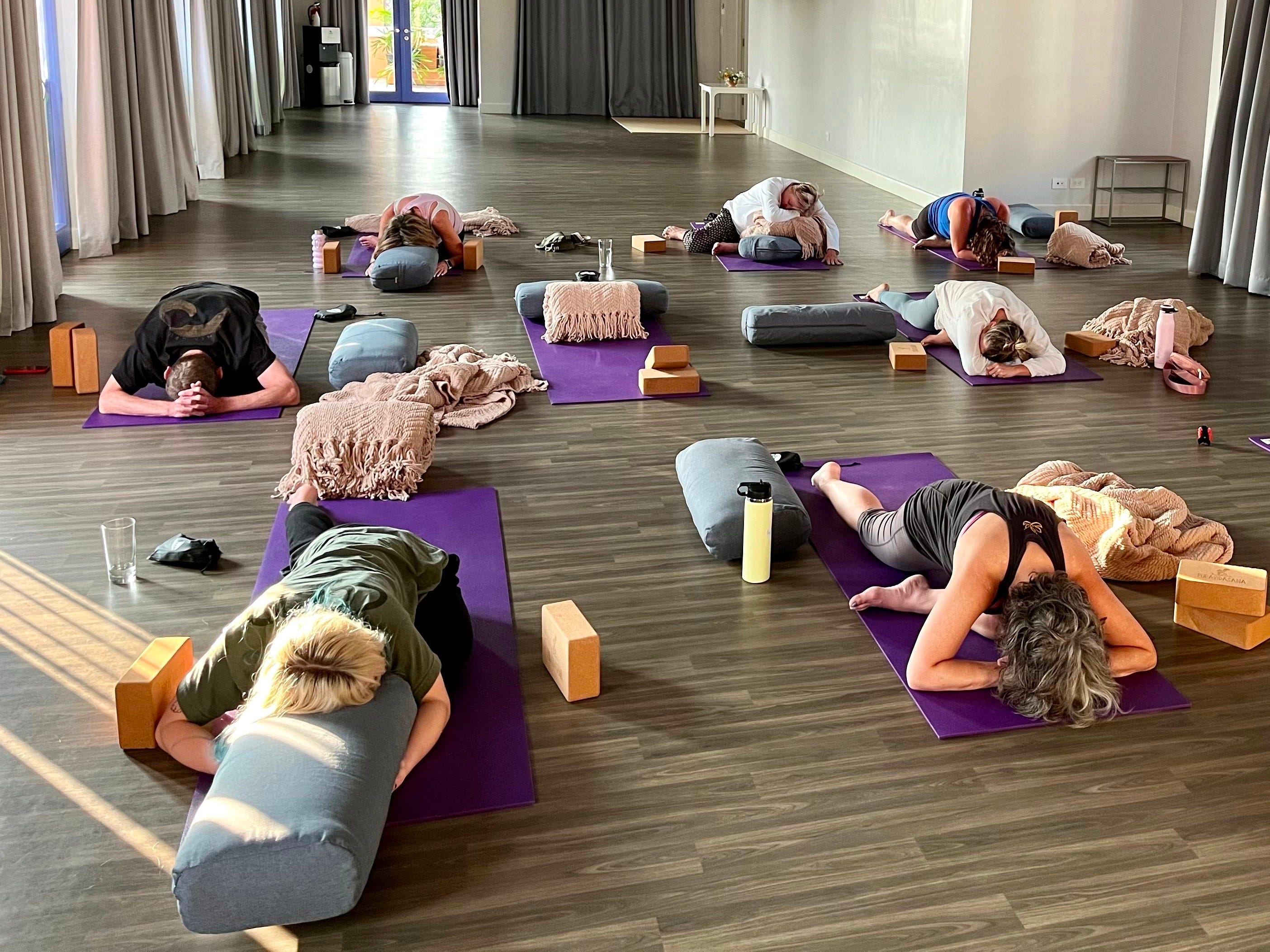
Recovery isn’t a break from your training; it’s an essential part of it. The adaptations you’re working toward—stronger muscles, better endurance, improved resilience—don’t happen during the workout itself but in the hours and days that follow. When you begin to treat recovery with the same intention as your workouts, you create the conditions for long-term progress, fewer setbacks, and a more sustainable relationship with movement.
In a culture that often celebrates pushing harder, choosing to recover well may be the most powerful way to keep moving.